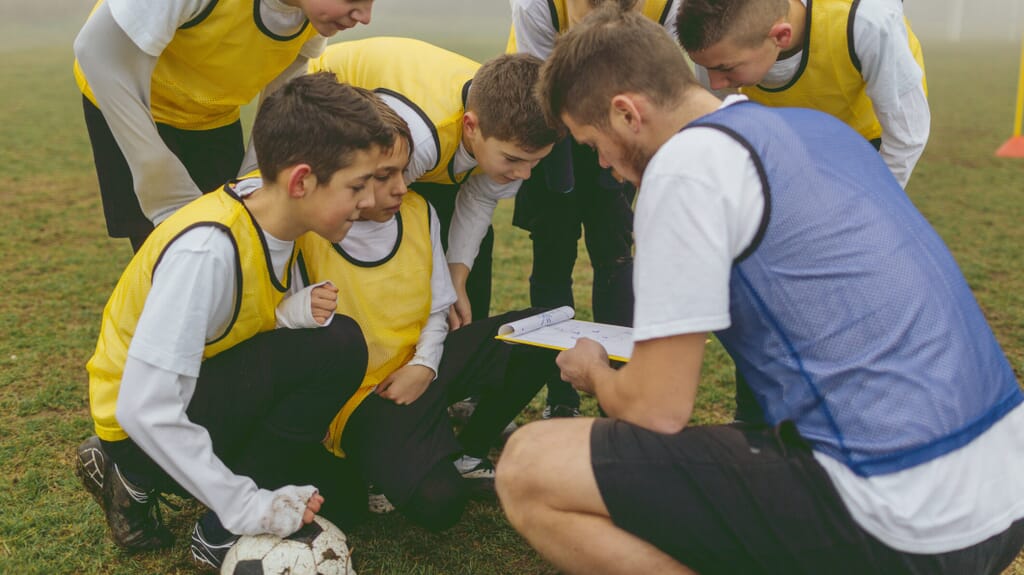
For many years, the intimate great of amateurism has formed just how A lot of people recognize athletics. The impression is acquainted: committed athletes competing purely for passion, Neighborhood satisfaction, or private excellence, untouched with the affect of money. But this perfect—celebrated in every little thing through the early Olympic Video games to elite university athletics—has usually been much more myth than truth. In fact, money passions have shaped contemporary sports from the sidelines and, normally, within the incredibly start off.
A Noble Excellent Masking Economic Realities
Amateurism has long been portrayed given that the spiritual coronary heart of sport—a standard rooted in enthusiasm, purity, and private excellence as an alternative to monetary gain. Its cultural enchantment is plain. The idea that athletes should contend exclusively for adore of the sport resonates deeply with audiences, reinforcing a sense of authenticity that money-pushed Skilled leagues supposedly lack. Still this noble excellent, upheld for greater than a century, masks a much more challenging and less passionate set of financial realities.
Amateurism did not crop up being a moral theory but as being a social filter. During the late nineteenth century, when organized athletics were attaining prominence in Britain, novice procedures have been formed mostly by elite golf equipment aiming to independent them selves through the working course. These rules didn’t only define who may very well be paid; they outlined who could afford to Engage in. Only those with wealth and leisure—Adult males who could prepare, vacation, and compete devoid of financial strain—qualified as correct amateurs. In the meantime, laborers who acknowledged even modest payment or time off from companies were being disqualified from Opposition. The rhetoric of purity hid an economic barrier created to maintain exclusivity.
As sports grew a lot more preferred, the method grew to become more contradictory. Governing bodies fiercely enforced amateur principles in general public while quietly benefiting from your spectacle made by athletes who were anything at all but unpaid. Condition-sponsored competition, especially in the course of the Chilly War, been given salaries disguised as stipends or nominal Work. Universities created elaborate athletic courses exactly where “college student-athletes,” formally amateurs, experienced their housing, coaching, foods, vacation, and training costs totally lined—guidance that functioned to be a form of indirect payment. Expert-grade expectations had been placed on folks even now labeled as amateurs.
The increase of tv and global sponsorships only deepened the paradox. Athletics governing bodies struck lucrative discounts, broadcasters purchased multimillion-greenback legal rights, and company sponsors poured in money. Every person inside the technique profited—other than the athletes whose performances drove the profits. Amateurism grew to become an ideological protect letting establishments to capitalize on professional growth whilst denying compensation for the folks whose labor sustained it.
But community sentiment usually reinforced the myth. A lot of enthusiasts genuinely believed that accepting funds compromised integrity, even as the sporting activities they viewed grew to become more and more commercialized. This dissonance persisted nicely into the late twentieth century, prolonged right after amateur rules experienced ceased to mirror reality.
Now, as amateurism crumbles throughout main sports—from Olympic athletes brazenly signing sponsorships to U.S. higher education athletes ultimately being permitted to monetize their title and image—the fundamental economics are tougher to disregard. The noble excellent may still evoke nostalgia, but it really in the long run served institutions much more than athletes. Pulling back again the curtain reveals that acknowledging financial realities will not be a corruption of sport—It's really a phase towards fairness and transparency.
Specialist Stress in Disguise
Whilst amateurism has historically been framed to be a purer, far more honorable way to be involved in sport, the fact for athletes has lengthy resembled Experienced existence—just with no paycheck. What appears to the surface as voluntary, enthusiasm-pushed Opposition often masks a technique crafted on intensive anticipations, institutional demands, and business pursuits that location athletes underneath pressures identical to People in absolutely Skilled environments.
For numerous so-known as amateurs, Specially at the university and Olympic stages, the schooling timetable by yourself reveals the illusion. Early-early morning exercises, mandated power classes, vacation commitments, and strict functionality monitoring mirror the routines of elite professionals. Coaches and companies assume calendar year-spherical dedication, leaving small area for teachers, work, or personal lifestyle. But Irrespective of these Experienced-quality demands, the athletes stay labeled amateurs, excluded from meaningful compensation beneath the guise of preserving purity. In follow, amateurism will become a effortless framework for extracting labor without acknowledging its value.
Institutional incentives add An additional layer of disguised professionalism. Universities Construct multimillion-dollar services, employ the service of entire-time staff members, and recruit aggressively mainly because profitable provides Status and profits. Governing bodies negotiate worthwhile media contracts that rely upon athletes providing substantial-stakes, substantial-good quality performances. Even at youth stages, the place beginner values supposedly run strongest, participation more and more entails private coaching, countrywide tournaments, and pathways meant to make elite opponents. The technique pressures athletes to complete and excel, not just to Perform for enjoyment.
This tension normally includes much-reaching penalties. The anxiety of shedding scholarships or variety spots pushes athletes to coach by injuries, hide health concerns, and acknowledge grueling schedules. The emotional and psychological demands—scrutiny, Level of competition for constrained options, and expectations from coaches and establishments—mirror These confronted by remarkably paid professionals, but with no monetary stability or autonomy. Beginner athletes bear the burdens of Expert everyday living even though becoming denied its protections.
Even the broader society contributes to this disguised professionalism. Supporters expect peak effectiveness. Media coverage scrutinizes results. Nationwide pride is staked on results. When an athlete falters, the criticism is swift, despite the fact that These are ostensibly unpaid competitors. The general public narrative of amateurism as a light, consequence-absolutely free pursuit stands in stark contrast to your higher-force reality athletes practical experience.
In the end, amateurism’s insistence on retaining a non-Expert id no longer displays how these athletes Are living or compete. By clinging to an out-of-date suitable, institutions obscure the ability imbalances and financial exploitation embedded inside the process. Recognizing the Expert pressures faced by “amateurs” is critical—not to undermine tradition, but to produce a fairer landscape where expectations and payment are finally aligned.
The Turning Level
The parable of amateurism held business for decades, but at some point the disconnect involving ideal and actuality grew to become unachievable to ignore. As athletes skilled like industry experts, created enormous income, and sacrificed their overall health and private life, general public sentiment began to shift. The turning level came if the structural contradictions of beginner units collided with a new era of transparency, info, and athlete advocacy.
1st, the money disparities grew much too visible to dismiss. Universities, federations, and Olympic committees amassed wealth via broadcasting rights, sponsorships, and merchandising, although the athletes answerable for the spectacle remained unpaid. Stories discovered billion-greenback industries supported by people who were being continue to prohibited from benefiting straight from their own overall performance, image, or labor. The moral and economic imbalance sparked general public discussion, pushing amateurism into your Highlight for a process significantly outside of action with modern-day values.
Then arrived the rise of athlete-led activism. Social networking empowered athletes to share their encounters with out institutional filtering. Stories of burnout, long-time period accidents, and fiscal hardship resonated broadly, reframing the narrative close to fairness and wellbeing. As athletes organized, they began complicated the legitimacy of procedures that limited compensation whilst demanding professional-amount devotion. Their voices manufactured it very clear that amateurism was not a noble custom—it had been an outdated structure restricting athlete autonomy.
Authorized challenges accelerated the change. Courtroom instances and legislative reforms questioned whether newbie constraints violated labor rights or aggressive fairness. Every single ruling in favor of athlete compensation chipped absent on the old product, signaling that adjust was not only ethical but unavoidable. The introduction of identify, impression, and likeness (NIL) rights in U.S. faculty sports activities became among the list of clearest turning points, rewriting many years of coverage almost right away.
Cultural perceptions followed. Enthusiasts more and more acknowledged that athletes, even at newbie amounts, were doing under monumental stress and deserved recognition and aid. The romanticized picture of your pure novice gave way to a clearer knowledge of the actual labor concerned.
During this surroundings, the turning issue wasn’t just one instant—it was the cumulative affect of transparency, activism, and lawful reform. Collectively, they uncovered The parable of amateurism and set the phase for a new era wherever athletes’ rights and realities ultimately took priority over outdated beliefs.
Why The parable Nonetheless Issues
Inspite of its unraveling, the myth of amateurism carries on to carry cultural and ideological impact. It persists not because it reflects fact, but mainly because it appeals to a deeply rooted belief that athletics need to be driven by passion as an alternative to gain. This idealized vision—athletes competing purely for really like of the game—stays emotionally impressive, shaping how fans, institutions, and in some cases athletes them selves understand the meaning of Competitors.
For most, amateurism symbolizes integrity. It evokes a earth where by sports remain untouched by industrial pressures, in which fairness is preserved by way of equivalent ailments, and where by athletic accomplishment signifies own character rather than financial incentive. Even as contemporary sports operate inside billion-dollar ecosystems, the language of amateur purity still shapes insurance policies, marketing, and public anticipations.
The parable also delivers establishments with rhetorical leverage. Businesses can invoke novice ideals to justify restrictions, maintain control, or avoid earnings-sharing debates. By framing payment website being a risk to tradition, governing bodies have Traditionally delayed reforms though positioning by themselves as protectors of sport’s moral Basis. This strategic usage of nostalgia will help describe why amateur narratives linger long just after their financial logic has collapsed.
Simultaneously, athletes themselves sometimes embrace components of The parable. The idea that competition need to be rooted in passion resonates deeply, especially for individuals that started taking part in not for money but for id, satisfaction, or community. This psychological connection will make the changeover from amateur beliefs to Skilled realities more advanced than an easy plan shift.
Finally, The parable matters as it forces society to confront complicated queries: What should athletics signify? Who justifies the wealth they crank out? And the way can we stability custom with justice? Even as amateurism fades, its legacy designs ongoing debates about fairness, access, along with the moral function of competition.
With this sense, the myth still matters—not to be a blueprint for governing modern day sporting activities, but as being a cultural touchstone that reveals what persons value, dread, and hope for in the evolving planet of athletics.